


Why the Fitzpatrick Scale Isn't Enough for Inclusive Skincare Analysis ✨
- Dec 27, 2025
- 4 min read
You've built your practice on precision. Every treatment protocol, every product recommendation, every client outcome reflects your expertise. But when a client with rich melanin walks through your door, are you still relying on a 50-year-old skin classification system that was never designed for her complexity?
The Fitzpatrick Scale, while historically significant, reduces the beautiful diversity of melanin-rich skin into just two oversimplified categories. Your clients deserve better. Your practice deserves tools that match your clinical standards.
🔍 What's Really Happening: The Fitzpatrick Gap
The Fitzpatrick Scale was developed in 1975 using predominantly Caucasian populations, focusing on burning and tanning patterns that simply don't capture the photobiological behavior of deeper skin tones. Here's the reality:
Only 2 categories for infinite diversity: Types V and VI attempt to represent African, Afro-Caribbean, South Asian, Southeast Asian, Middle Eastern, and Latin American populations, despite massive biological variation within these groups.
Undertone blindness: The scale ignores golden, red, olive, and cool undertones that significantly impact how products perform and how pigmentation develops. Two clients with identical Fitzpatrick classifications can have completely different treatment needs.
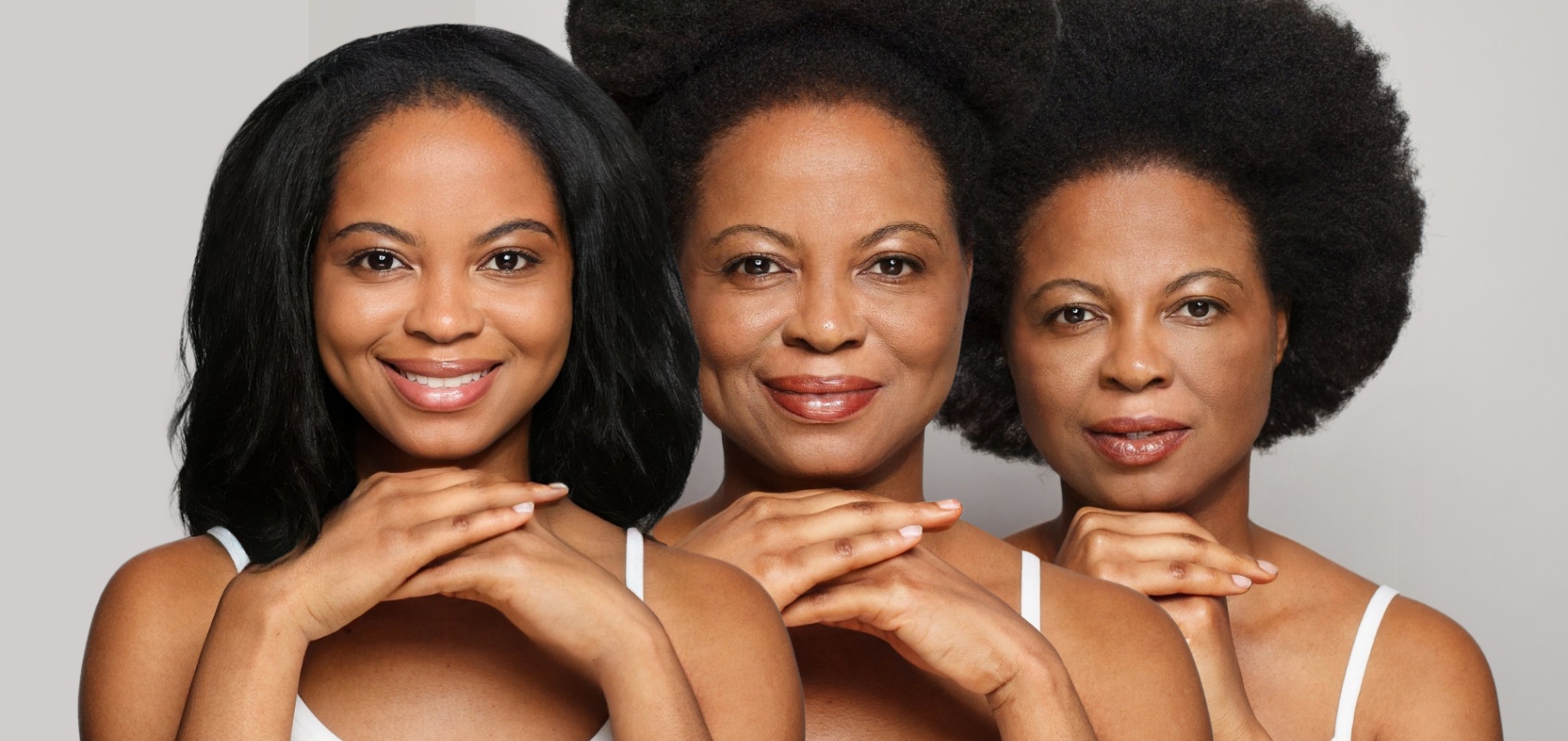
Age and texture variables: Melanin behavior changes with hormones, age, and environmental factors. A 25-year-old Type V client and a 45-year-old Type V client require different approaches, but Fitzpatrick offers no guidance.
⚠️ The Clinical Risks You Can't Ignore
Post-inflammatory hyperpigmentation (PIH) miscalculation: The primary concern for melanin-rich skin, pigment alteration, isn't predicted by Fitzpatrick typing. Research shows over 65% of darker-skinned clients experience PIH after procedures, yet the scale provides zero risk assessment.
Device-based treatment complications: Over 3,596 FDA-registered devices use Fitzpatrick guidelines. Broad categorization without individual variation assessment can result in thermal injury, scarring, and permanent pigmentation changes.
Self-classification errors: Studies reveal many clients cannot accurately classify themselves using the Fitzpatrick Scale, creating dangerous treatment gaps when providers rely solely on client self-assessment.
🎯 Your Action Plan: Beyond Fitzpatrick
Step 1: Layer Your Assessment Protocol
Combine Fitzpatrick typing with visual examination, detailed client history, lifestyle factors, and ethnic background. Document undertones, previous pigmentation patterns, and seasonal skin changes.
Step 2: Implement Digital Documentation
Use AI-powered skin analysis tools that track real progress over time. SkinAura PRO's expert-guided technology captures undertone variations, texture changes, and pigmentation patterns that traditional classification misses.
Step 3: Create Personalized Risk Profiles
Develop individual PIH risk assessments based on client history, genetic factors (when available), and hormonal status. Document healing patterns from previous treatments or trauma.
Step 4: Establish Safety Protocols
Set conservative treatment parameters for new clients. Start with lower intensities and longer intervals, regardless of Fitzpatrick classification. Document responses and adjust accordingly.

Step 5: Build Comprehensive Progress Tracking
Move beyond before/after photos. Track pigmentation changes, barrier function, hydration levels, and client-reported outcomes using standardized tools designed for melanin-rich skin analysis.
Step 6: Educate Your Clients
Help clients understand their unique skin behavior beyond basic typing. Provide personalized education about their specific pigmentation patterns, sensitivities, and optimal care approaches.
Step 7: Update Your Consultation Process
Dedicate extra time for melanin-rich skin assessments. Use multiple light sources, document seasonal variations, and discuss family pigmentation history to build accurate profiles.
📱 When to Upgrade Your Assessment Tools
Consider advanced skin analysis technology when you notice:
Inconsistent treatment outcomes despite following Fitzpatrick guidelines
Difficulty predicting PIH risk in your melanin-rich clients
Client frustration with "trial and error" product recommendations
Need for more detailed progress documentation for insurance or medical records
Desire to differentiate your practice with precision skincare protocols
The investment in better assessment tools pays dividends in client satisfaction, treatment safety, and practice reputation. Book a SkinAura PRO demo to see how AI-guided analysis transforms your consultation process.
🔬 Alternative Assessment Methods
Taylor Hyperpigmentation Scale: Specifically evaluates pigmentary disorders in darker skin, providing nuanced gradations for melasma and PIH assessment.
Individual Typology Angle (ITA): Uses colorimetric analysis to measure skin tone objectively, eliminating subjective classification errors.
Melasma Area and Severity Index (MASI): Quantifies pigmentation severity and distribution patterns, crucial for tracking treatment progress in melanin-rich clients.
💡 FAQ: Modernizing Your Practice
Q: Is the Fitzpatrick Scale completely obsolete? A: Not obsolete, but insufficient as a standalone tool. Use it as one data point within a comprehensive assessment protocol that includes undertone analysis, pigmentation history, and individual risk factors.
Q: How do I justify the cost of new assessment technology to my clients? A: Frame it as precision medicine. Explain how personalized analysis reduces treatment risks, improves outcomes, and eliminates guesswork. Most clients appreciate the investment in their safety and results.
Q: What if my current clients are satisfied with traditional methods? A: Many clients don't know what's possible until they experience it. Introduce enhanced assessment gradually, highlighting improved treatment planning and progress tracking capabilities.
Q: Do insurance companies recognize alternative skin assessment methods? A: Documentation standards are evolving. Detailed progress tracking with objective measurements often supports treatment necessity better than basic Fitzpatrick classification alone.
Q: How long does comprehensive skin assessment take? A: Initial assessment may require 15-20 additional minutes, but streamlined follow-ups with digital tracking actually save time while providing superior documentation.
Q: Can I implement better assessment without expensive technology? A: Yes. Start with enhanced visual assessment protocols, detailed client questionnaires, and standardized photography techniques. Technology amplifies these efforts but isn't the only improvement path.
🚀 Elevate Your Practice Standards
Your expertise deserves assessment tools that match your clinical precision. Modern skin analysis technology designed for melanin-rich skin complexity transforms consultations from guesswork into guided science.
Ready to see the difference?Book your SkinAura PRO demo and discover how expert-guided AI analysis enhances your treatment planning, improves client outcomes, and positions your practice at the forefront of inclusive skincare.
Your melanin-rich clients have been waiting for this level of precision. Now you can deliver it.
Educational content only, not medical advice. For complex pigmentation concerns or treatment planning, consult with dermatological specialists and consider booking a comprehensive skin consultation.

Comments